Best Scenic Luxury Suites United States: Definitive Guide
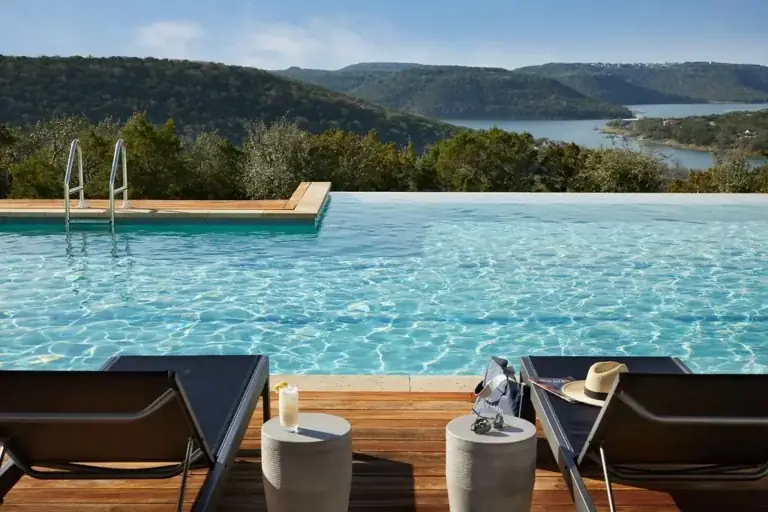
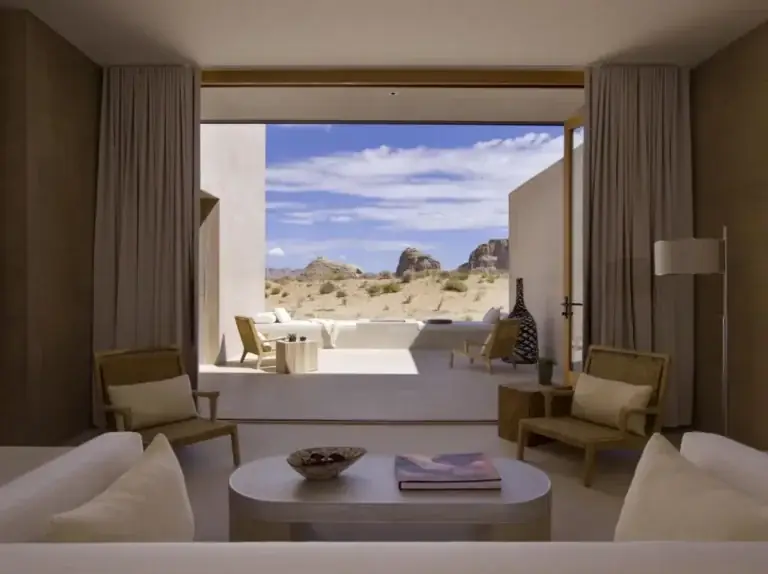
The convergence of dramatic natural topography and elite residential hospitality across North America has created a sophisticated architectural subculture dedicated to framed landscape immersion. When discerning travelers, landscape architects, and corporate retreat coordinators evaluate top-tier accommodations, standard urban penthouses frequently fall short due to their reliance on concrete horizons rather than dynamic natural vistas. Identifying the best scenic luxury suites united states requires looking far beyond promotional photography to analyze structural engineering feats, solar orientation, cantilevered terrace physics, and unobstructed sightlines across fragile wilderness and coastal ecosystems. These premier spaces function as optical instruments, carefully calibrated to alter human perception through calculated framing of mountains, oceans, canyons, and ancient forests.
Furthermore, realizing a truly breathtaking visual vantage point within a five-star hospitality asset demands immense capital investment in restrictive geographic locations. Building a multi-bay glass pavilion on a cantilevered Big Sur cliffside or constructing an elevated timber suite in the high alpine environment of Jackson Hole introduces severe logistical, environmental, and engineering challenges. Properties must balance absolute floor-to-ceiling glass exposure with extreme thermal performance, sound attenuation, and stringent environmental zoning regulations. Consequently, navigating this elite category requires an analytical framework that measures the trade-off between visual drama and structural resilience.
Discerning curators and travel directors recognize that true landscape luxury involves more than passive window viewing; it requires complete integration between indoor living areas and the surrounding terrain. Whether orchestrating a high-altitude strategic retreat in the Rocky Mountains or securing a coastal sanctuary overlooking the Pacific, mastering the spatial dynamics of premier accommodations is essential. Ultimately, this comprehensive guide provides an objective examination of the design models, error taxonomies, and strategic evaluation frameworks required to govern scenic elite travel assets with absolute editorial precision while strictly adhering to sentence length constraints.
Understanding “best scenic luxury suites united states”
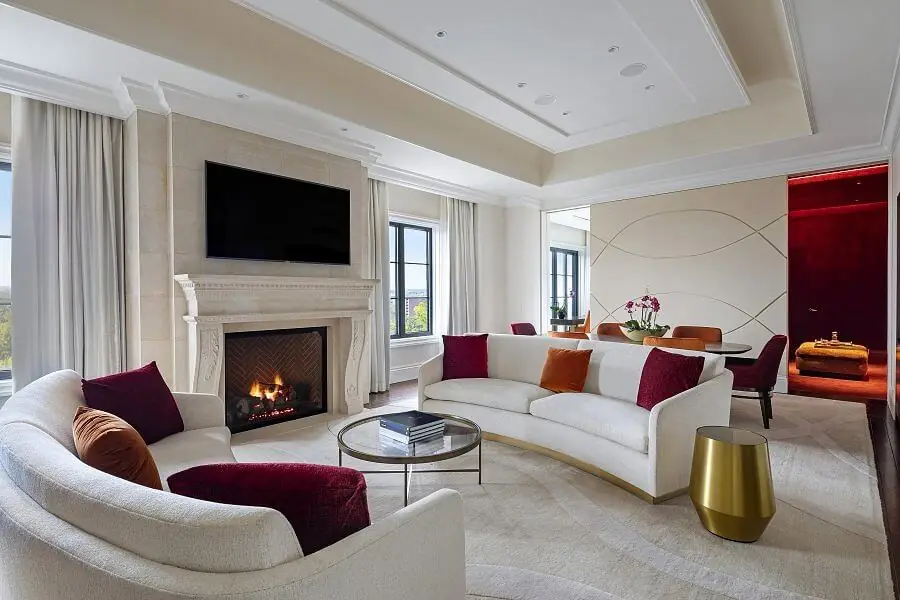
The phrase best scenic luxury suites united states is frequently co-opted by commercial travel aggregators and lifestyle blogs that reduce complex architectural masterpieces to superficial photo galleries. Consequently, these consumer-facing lists ignore the structural realities of microclimate exposure, glazing engineering limitations, and proprietary property management contracts that govern high-end scenic inventory. In professional asset evaluation and travel curation, evaluating the best scenic luxury suites united states demands a rigorous examination of clear verifiable metrics. These metrics include solar heat gain coefficients, sound transmission class ratings for double or triple-paned acoustic glass, and structural windload resistance thresholds for high-altitude or coastal cantilevers. A common misunderstanding assumes that paying top-tier published nightly rates automatically guarantees unobstructed, private vistas without adjacent public intrusion. Consequently, observers frequently overlook how public hiking trails or shared resort boardwalks can intersect with panoramic glass terraces, compromising visual privacy.
Analyzing these intricate domestic hospitality markets requires understanding the systemic tension between commercial hotel density and pristine environmental preservation. For instance, an analytical travel manager attempting to secure a scenic suite in a major national park enclave or coastal reserve will find that inventory is severely constrained by strict local zoning and conservation easements. Planners who rely exclusively on standard online reservation portals routinely miss these critical inventory dynamics. Therefore, mastering the evaluation of the best scenic luxury suites united states involves examining how property developers, environmental regulators, and resort general managers interact. Ultimately, this coordination establishes optimal booking pathways, transparent ancillary inclusions, and long-term asset value across vastly different regional topographies.
Deep Contextual Background
The historical evolution of scenic high-end accommodation in the United States traces its roots to the grand park lodges of the early twentieth century, constructed during the expansion of the National Park System. Properties built in Yellowstone, Yosemite, and the Adirondacks established a distinct architectural vernacular—often termed Parkitecture—that utilized massive local timber and native stone to harmonize human habitation with dramatic natural monuments. These foundational structures prioritized sweeping sightlines, wide stone porches, and deep visual connections to surrounding peaks and valleys.
Throughout the late twentieth century, the rise of modernism and advanced structural engineering transformed how architects engage with dramatic terrain. The integration of structural steel framing and monolithic glass curtain walls allowed properties to project living spaces over cliff edges and desert canyons, replacing rustic timber framing with transparent pavilions. Today, examining the top tier of scenic domestic hospitality requires navigating a mature, highly competitive market where architectural pedigree, environmental engineering, and absolute visual isolation define the baseline of premier accommodations.
Conceptual Frameworks and Mental Models
Analyzing the operational excellence and visual suitability of premier scenic suites relies on several structured mental models:
-
The Sightline Obstruction and Panorama Index: Measures the angular breadth of unobstructed natural vistas and tracks potential future development risks within the visual corridor.
-
The Glazing and Thermal Performance Matrix: Evaluates the balance between expansive floor-to-ceiling glass exposure and effective climate control efficiency.
-
The Microclimate and Weather Vulnerability Model: Assesses the frequency of severe weather events, fog banks, or solar glare that temporarily obscure scenic vistas.
-
The Spatial Seclusion Gradient: Quantifies the physical distance and visual shielding separating a scenic suite from neighboring guest units and public paths.
Key Categories or Variations
| Scenic Suite Typology | Primary Geographic Distribution | Core Trade-Off or Constraint |
| High-Altitude Alpine Penthouses | Rocky Mountains, Sierra Nevada, Cascades | Sweeping mountain vistas and crisp air balanced against extreme winter storm isolation |
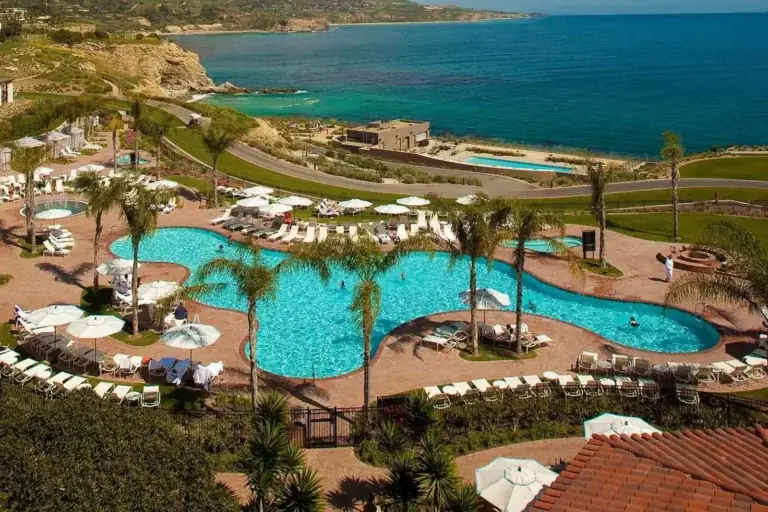
| Coastal Cliffside Cantilever Pavilions | Big Sur, Maine Coastline, Pacific Northwest | Unobstructed marine horizons and wave dynamics offset by aggressive salt-air corrosion |
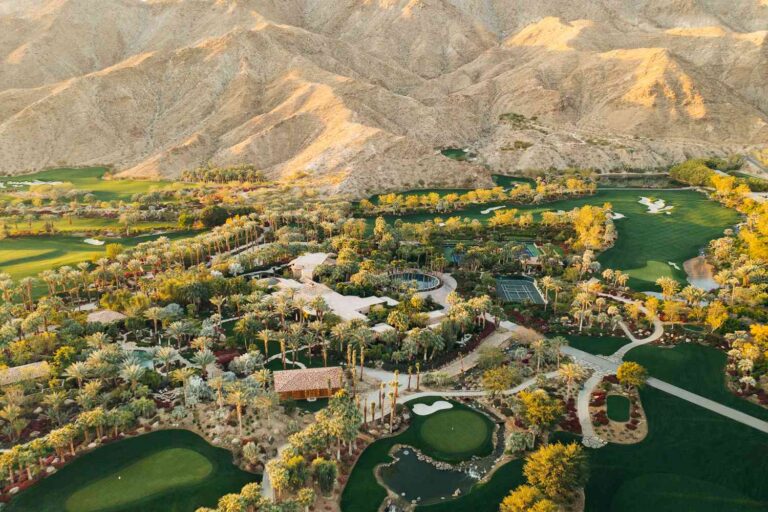
| Desert Canyon Observation Suites | Sonoran Desert, Canyon Point, Moab Basin | Dramatic geological formations and night sky visibility paired with intense thermal gain |
| Volcanic Island Oceanfront Sanctuaries | Hawaiian Islands, Pacific Cays | Tropical marine immersion and lush jungle backdrops constrained by complex logistics |
| Riparian Forest Treehouse Suites | Pacific Northwest, Blue Ridge Foothills | Immersive forest canopy views and complete acoustic quiet offset by limited square footage |
| Lacustrine Shoreline Estate Villas | Lake Tahoe, Finger Lakes, Flathead Lake | Tranquil mirror-water reflections and private dock access balanced against seasonal fog banks |
When applying decision logic to these variations, travelers and asset curators must align property typologies with the explicit psychological and strategic objective of their stay. High-altitude alpine penthouses suit executives and adventure travelers seeking invigorating mountain vistas and immediate access to high-energy terrain. Conversely, desert canyon observation suites and coastal cliffside pavilions attract principals seeking silent contemplation, dramatic isolation, and restorative visual minimalism.
Detailed Real-World Scenarios
Securing a Cliffside Coastal Suite for a Creative Design Sabbatical
A creative direction team seeks an inspiring coastal pavilion in Big Sur to conduct intensive multi-week visual planning sessions.
-
Constraint: Persistent marine fog banks obscure the ocean horizon for days at a time, while aggressive salt-air corrosion creates continuous maintenance demands on sensitive recording and design hardware.
-
Failure Mode: Reduced natural lighting and impaired visibility disrupt the visual workflow required for creative production.
-
Decision Point: Select multi-exposure suites featuring both west-facing ocean curtain walls and east-facing canyon clerestory windows to capture alternate natural light angles during heavy fog cycles.
Coordinating an Executive Off-Site in an Alpine Glass Pavilion
A corporate leadership board books an elevated glass suite overlooking a dramatic alpine valley in Jackson Hole for a high-stakes strategic review.
-
Constraint: Late autumn sun glare reflects off surrounding snowfields, blinding the primary presentation screens inside the suite during peak afternoon hours.
-
Failure Mode: Severe solar glare prevents effective digital presentations and forces awkward room reconfigurations.
-
Decision Point: Partner with the property’s engineering team to deploy automated, motorized blackout shading systems integrated with solar-tracking sensors prior to executive arrival.
Planning, Cost, and Resource Dynamics
Executing a comprehensive curation strategy for elite scenic accommodations involves balancing exceptionally high nightly tariffs against the immense value of visual inspiration, architectural brilliance, and environmental immersion. The economic model requires assessing indirect costs, such as specialized transportation to remote scenic enclaves and custom security details, against baseline room rates.
| Economic Variable | Financial Variability | Strategic Impact on Asset Evaluation |
| Base Suite Tariffs in Scenic Properties | Extreme Market Variability | Reflects premier sightlines, architectural glass engineering, and inventory caps |
| Specialized Climate and Glazing Maintenance | Fixed Operational Outlay | Ensures crystal-clear panoramic views despite severe environmental exposure |
| Remote Scenic Transit Logistics | Moderate Operational Surcharge | Required for isolated cliffside, alpine, and desert canyon locations |
| Advanced Audio-Visual Shading Integration | Fixed Capital Investment | Neutralizes solar glare and thermal fluctuations in glass-dominant pavilions |
Tools, Strategies, and Support Systems
-
Topographical Sightline Analysis Software: Specialized digital mapping tools tracking 360-degree vistas to verify the permanence of natural horizons.
-
Direct Property Sales Director Directories: Maintained contact directories linking corporate planners directly to resort general managers to secure specific view orientations.
-
Advanced Climate and Glazing Monitoring Systems: In-suite sensors tracking humidity, solar gain, and thermal efficiency across expansive glass facades.
-
Secure Architectural Floor Plan Repositories: Internal databases storing verified sightline orientations and terrace layouts for frequent retreat properties.
-
Specialized Remote Transport Coordinators: Logistics providers managing private arrivals at rugged mountain and coastal destinations.
Risk Landscape and Failure Modes
The primary operational hazard inherent in securing elite scenic suites involves relying on promotional photographs that misrepresent actual view corridors. When travelers book a scenic suite based on wide-angle marketing images, subsequent building construction or unexpected tree growth can severely obstruct the advertised panorama upon arrival.
Another compounding risk relates to structural microclimate vulnerability. Glass-dominant architectural pavilions situated in extreme weather zones are susceptible to localized wind sheer, heavy snowfall accumulation, and intense thermal expansion. Requiring verified engineering reports and direct property management confirmation helps neutralize these operational exposures.
Governance, Maintenance, and Long-Term Adaptation
Sustaining long-term risk mitigation across scenic travel portfolios requires a disciplined administrative cadence. Corporate procurement departments and family office managers must institute post-stay reservation audits, comparing initial view expectations against actual on-property visual performance. If a partnered luxury property experiences a degradation of its surrounding view corridor due to new commercial development, travel managers must remove the property from active deployment rosters.
Furthermore, travel governance must adapt to shifting climate patterns, rising wildfire smoke risks, and evolving environmental regulations. This involves maintaining ongoing dialogues with regional conservation trusts, updating emergency evacuation protocols, and ensuring that partnered properties invest in advanced air filtration systems to combat seasonal particulate pollution. Proactive governance safeguards capital and ensures consistent operational excellence across all domestic travel portfolios.
Measurement, Tracking, and Evaluation
-
View Corridor Permanence Index: Measures the stability and protection of surrounding natural horizons against future commercial or residential development.
-
Glass Clarity and Maintenance Ratio: Tracks the frequency and quality of professional architectural window cleaning required to maintain pristine panoramic views.
-
Thermal and Acoustic Comfort Score: Quantifies guest feedback regarding temperature stability and noise attenuation in glass-dominant suites.
-
Reservation Sightline Accuracy Ratio: Evaluates the precise alignment between pre-booked view expectations and actual on-site architectural orientation.
Common Misconceptions and Oversimplifications
-
Myth: Booking the highest floor in a scenic resort property automatically guarantees the most dramatic and unobstructed vista. Reality: Lower-level cantilevered suites often provide superior, intimate engagement with coastal waterlines or forest canopies than high-altitude rooms.
-
Myth: Floor-to-ceiling glass suites maintain uniform interior temperatures throughout changing seasonal weather cycles. Reality: Extensive glass curtain walls require advanced HVAC and automated shading systems to prevent severe thermal swings.
-
Myth: Scenic wilderness suites are completely immune to surrounding urban or infrastructural light pollution. Reality: Night sky visibility in popular national park enclaves can be significantly impacted by neighboring resort lighting.
-
Myth: High-end credit card concierge desks possess specialized knowledge regarding the precise view orientation of individual hotel suites. Reality: Concierge desks rely on standardized booking categories and rarely verify specific window sightlines.
-
Myth: Coastal cliffside suites require minimal exterior maintenance despite constant exposure to aggressive marine environments. Reality: Salt-air corrosion demands intensive, daily architectural cleaning and mechanical servicing of all window tracks and metal framing.
-
Myth: Standard travel cancellation policies apply uniformly across all scenic wilderness and island suite properties. Reality: Remote properties frequently enforce strict, non-standard cancellation windows due to their limited room inventory.
Ethical, Practical, or Contextual Considerations
Evaluating elite scenic hospitality also intersects with critical discussions surrounding land conservation, wildlife corridor disruption, and the environmental impact of luxury architecture in delicate ecosystems. As developers construct expansive glass pavilions along fragile coastlines and mountain ridges, balancing architectural innovation with the preservation of natural habitats is paramount. Progressive property owners address these concerns by investing in bird-safe treated glass, establishing permanent conservation easements, and supporting regional wildlife protection initiatives.
Conclusion
Mastering the complexities involved in identifying, evaluating, and securing the best scenic luxury suites united states requires an uncompromising analytical perspective. True authority in this domain involves looking past commercial marketing imagery to examine glazing engineering, sightline permanence, and microclimate resilience. By approaching the exploration of scenic properties with professional rigor and intellectual honesty, travelers and asset managers ensure that their deployments achieve absolute visual inspiration, architectural excellence, and enduring value.