Top Resort Experiences in America: Definitive Guide & Analysis
The evolution of high-end domestic hospitality has shifted away from generalized markers of material excess toward hyper-curated, place-sensitive programming. Discerning travelers, family office directors, and institutional portfolio managers evaluate elite domestic destinations through operational resilience, regional architectural integrity, and ecological stewardship rather than superficial star ratings. When identifying the top resort experiences in america, observers must navigate complex environmental permitting constraints, seasonal micro-climates, and intricate guest logistics. Consequently, selecting premier properties requires an analytical lens that balances spatial exclusivity with authentic regional immersion.
Furthermore, the domestic market for apex leisure properties operates under intense seasonal demand surges, labor management volatility, and strict capital expenditure cycles. Standard booking platforms fail to capture the structural variables that define top-tier stays, such as subterranean water rights, proprietary agricultural sourcing networks, and specialized acoustic insulation design. Therefore, establishing a rigorous framework for evaluating the top resort experiences in america ensures long-term capital preservation, uninterrupted personal restoration, and reliable operational excellence across diverse geographic terrains.
Navigating this specialized segment demands an uncompromising editorial perspective. Whether securing a private timber-framed sanctuary in the northern Rockies or an isolated coral-stone pavilion on a sub-tropical barrier island, mastering the operational nuances of elite hospitality safeguards against administrative failure and service degradation. Ultimately, this comprehensive guide delivers an objective examination of the frameworks, error taxonomies, and strategic methodologies required to govern luxury leisure portfolios with absolute precision.
Understanding “top resort experiences in america”

The phrase top resort experiences in america is frequently co-opted by consumer lifestyle blogs. These platforms reduce sophisticated property management and architectural design to superficial photo galleries and generic spa menus. Consequently, consumer summaries ignore structural realities like seasonal labor retention, water table management in arid basins, and strict local historic preservation mandates. In professional asset evaluation, assessing the top resort experiences in america requires a focus on measurable operational parameters. These parameters include guest-to-staff ratios, energy grid independence percentages, and proprietary agricultural supply chain integration. A common misunderstanding assumes that paying premium nightly rates guarantees seamless service and pristine ecological isolation. In reality, elite domestic retreats introduce severe logistical challenges requiring meticulous planning.
Analyzing these operational challenges requires recognizing the tension between high-touch human service and absolute privacy preservation. An analytical manager evaluating a secluded desert wellness sanctuary in the Southwest will find that extreme diurnal temperature fluctuations create intense stress on mechanical building envelopes. Planners relying exclusively on surface-level marketing descriptions routinely miss critical operational constraints. Furthermore, mastering the principles behind the top resort experiences in america involves assessing how hospitality architects, landscape ecologists, and estate operators collaborate. This coordination establishes optimal operational baselines and asset longevity across diverse domestic topographies.
Deep Contextual Background
The historical evolution of American resort hospitality traces its roots to the late-nineteenth-century mineral springs and grand railway lodges. Wealthy industrialists sought restorative mountain air and thermal waters along the eastern seaboard and the nascent western rail corridors. Properties like the historic timber-and-stone compounds of the Adirondacks and the thermal bathhouses of the Hot Springs established a distinct domestic design vernacular. These early structures prioritized heavy masonry foundations and wide wrap-around porches to integrate occupants with surrounding wilderness topographies.
Throughout the mid-twentieth century, the rise of automobile-driven tourism and modernist architectural engineering transformed domestic travel. Resorts expanded from seasonal outposts into year-round ecosystems featuring championship golf courses, private ski-in/ski-out infrastructure, and expansive aquatic complexes. Architectural ambition introduced new operational vulnerabilities. Properties struggled with seasonal labor shortages, wastewater management in remote zones, and escalating infrastructure maintenance costs. Examining the domestic resort market requires navigating a mature, competitive sector where independent ownership groups define the baseline of exceptional guest execution.
Conceptual Frameworks and Mental Models
Evaluating the operational maturity of elite domestic retreats relies on structured mental models:
-
The Ecological Carrying Capacity Index: Measures the maximum volume of guests a natural landscape can support without degrading local flora and water tables.
-
The Guest-to-Staff Interaction Gradient: Evaluates physical service timing to balance hyper-attentive hospitality with absolute spatial privacy.
-
The Agricultural Supply Autonomy Ratio: Assesses how successfully a property sources provisions from internal acreage or local regional farms.
-
The Seasonal Logistical Resiliency Model: Quantifies operational continuity during extreme weather transitions, off-season maintenance windows, and labor shifts.
Key Categories or Variations
| Resort Experience Category | Primary Architectural Profile | Core Operational Trade-Off |
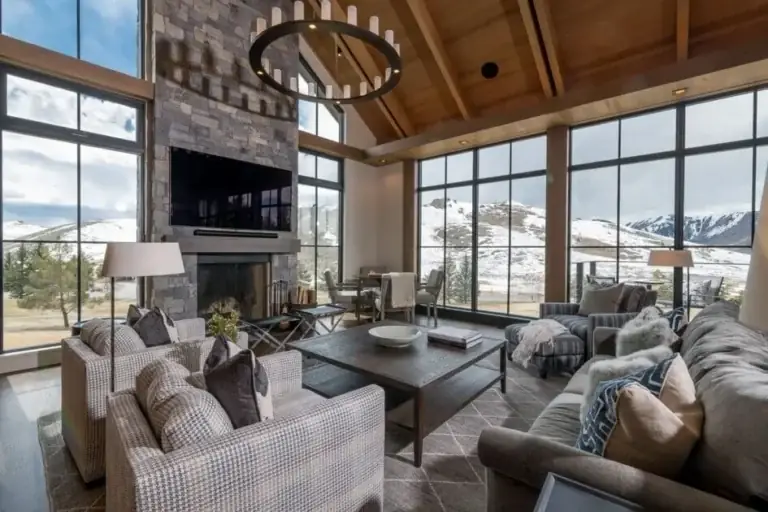
| High-Altitude Alpine Lodges | Heavy timber and local stone structures positioned near high-elevation ski slopes | Delivers winter sports integration offset by short operational seasons and heavy snow maintenance |
| Arid Desert Thermal Sanctuaries | Rammed-earth and glass pavilions integrated into fragile desert washes | Maximizes tranquil isolation offset by intense water acquisition and solar HVAC loads |
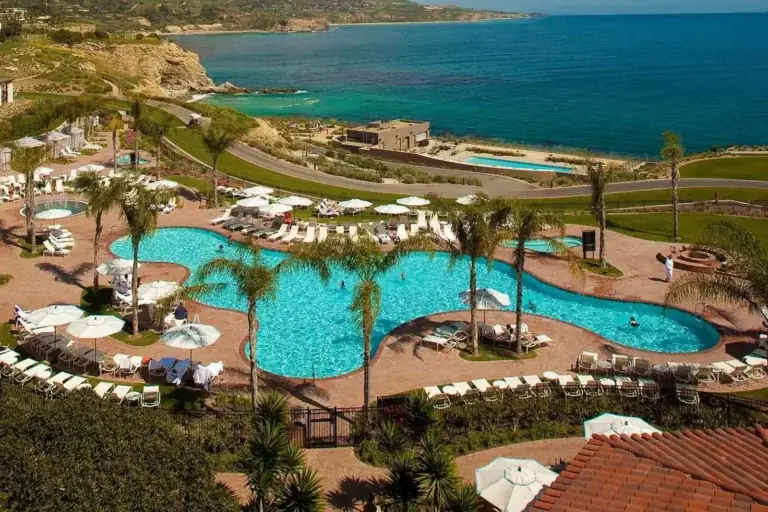
| Coastal Barrier Island Estates | Low-rise coral limestone and timber villas positioned on tropical sand spits | Provides immediate ocean access offset by high exposure to coastal storm surges |
| Working Ranch and Wilderness Compounds | Restored historic barns and luxury canvas pavilions across sprawling acreage | Offers immersive outdoor heritage offset by remote supply chain and transit logistics |
| Napa-Style Vineyard Enclaves | Contemporary agrarian architecture surrounded by functional wine-producing vines | Ensures culinary and wine immersion offset by high agricultural regulatory oversight |
| Historic Coastal New England Inns | Multi-building shingle-style maritime compounds along rocky tidal shores | Delivers maritime heritage charm offset by intensive wood maintenance in damp climates |
When applying decision logic to these variations, curators must align property selection with environmental resilience and privacy requirements. Alpine lodges and working ranches suit travelers seeking rugged outdoor immersion. Meanwhile, coastal barrier island estates and vineyard enclaves attract guests prioritizing culinary refinement and maritime or agrarian leisure.
Detailed Real-World Scenarios
Executing a Confidential Executive Rest in a Working Ranch Compound
A technology venture principal requires a two-week quiet writing residency on a remote luxury ranch in Montana without business interruptions.
-
Constraint: The property sits in a remote mountain valley where commercial utility grids are vulnerable to seasonal winter storms.
-
Failure Mode: Power outages disrupt critical satellite internet links and well-water pumps, halting executive productivity.
-
Decision Point: Mandate commercial-grade propane generator redundancy and verify independent satellite communication backups prior to arrival.
Coordinating a Private Diplomatic Retreat in an Arid Desert Sanctuary
A family office curator manages an international delegation staying within a secluded desert resort in Arizona.
-
Constraint: Record-breaking summer heat waves push local municipal power grids to maximum capacity, risking rolling brownouts.
-
Failure Mode: Air conditioning chillers fail under continuous maximum load, rendering guest pavilions uninhabitable.
-
Decision Point: Contract directly with the property operator to verify thermal energy storage tanks and dedicated backup transformer arrays.
Planning, Cost, and Resource Dynamics
Executing a procurement strategy for domestic resort stays involves balancing administrative oversight expenses and specialized service outlays against the value of absolute privacy and programmatic depth. The economic model requires analyzing indirect expenses—such as private airfield transfers, specialized wellness practitioners, and proprietary guide fees—against total project expenditures.
| Economic Variable | Financial Variability | Strategic Impact on Asset Evaluation |
| Proprietary Guide and Outfitting Services | High Variable Cost | Secures expert-led wilderness excursions away from public tourist congestion |
| Specialized Agricultural and Culinary Sourcing | Dedicated Operating Expense | Ensures farm-to-table dining integrity and custom dietary execution |
| Remote Infrastructure and Generator Maintenance | Fixed Capital Overhead | Prevents operational failure during regional utility and weather disruptions |
| Private Airfield and Ground Transfer Logistics | Variable Professional Fee | Guarantees seamless, secure transit from regional hubs to remote properties |
Tools, Strategies, and Support Systems
-
Real-Time Regional Weather and Fire Trackers: Specialized diagnostic tools monitoring wildfire smoke drift, flash flood risks, and winter storms.
-
Encrypted Resort Concierge Networks: Direct communication channels with estate general managers, private wildlife guides, and aviation dispatchers.
-
Biometric and Perimeter Access Control Systems: Keyless entry platforms securing private residential compounds against unauthorized public entry.
-
Specialized Travel Legal Counsel: Legal professionals drafting complex non-disclosure agreements and private buy-out contracts.
-
Industrial Water Filtration and Testing Kits: Continuous monitoring systems ensuring pristine water quality in remote natural environments.
Risk Landscape and Failure Modes
The primary operational hazard inherent in elite resort travel involves underestimating remote infrastructural volatility. Planners frequently assume premier domestic properties operate with absolute immunity to municipal water restrictions, regional labor shortages, or sudden extreme weather events. When unexpected blizzards, flash floods, or wildfires occur, remote locations can become temporarily isolated.
Another compounding risk relates to labor retention. Many exceptional properties sit in geographically isolated valleys or islands where skilled hospitality labor is scarce. High staff turnover can lead to inconsistent service delivery, compromising the bespoke nature of the stay. Asset managers mitigate this by partnering with properties offering comprehensive staff housing and long-term retention incentives.
Governance, Maintenance, and Long-Term Adaptation
Sustaining operational protocols across luxury travel portfolios requires a disciplined administrative governance framework. Family offices and corporate travel teams must institute pre-arrival operational audits, verifying that backup power systems, water filtration units, and security protocols operate efficiently. If a resort operator demonstrates declining maintenance standards or high staff churn, asset managers must initiate review protocols.
Furthermore, risk governance must adapt to shifting climate patterns, regional resource scarcity, and evolving guest wellness expectations. Maintaining ongoing dialogues with environmental scientists and estate directors ensures that partnered properties invest in sustainable ecological infrastructure. Proactive governance protects capital and guarantees operational excellence across all domestic deployments.
Measurement, Tracking, and Evaluation
-
Guest Service Response and Anticipation Index: Measures staff latency in fulfilling unexpressed preferences and customized requests.
-
Property Ecological Footprint and Energy Independence: Assesses solar generation percentage, waste recycling rates, and water conservation metrics.
-
Culinary Sourcing Locality Percentage: Quantifies the proportion of food and wine sourced within a hundred-mile radius of the estate.
-
Infrastructure Uptime and Redundancy Readiness: Evaluates the reliability of backup power, internet connectivity, and emergency water supplies.
Common Misconceptions and Oversimplifications
-
Myth: Booking the most expensive suite at a domestic resort guarantees absolute privacy from other guests. Reality: High-traffic common areas, shared dining rooms, and popular activity times can expose guests to public interaction.
-
Myth: Remote wilderness resorts operate entirely off-grid without dependence on municipal infrastructure. Reality: Most luxury compounds rely on complex hybrid grids requiring careful fuel management and municipal backup.
-
Myth: Standard luxury hotel cancellation policies apply equally to bespoke rural and wilderness estates. Reality: Independent resort operators enforce customized, non-negotiable contract terms and strict long-lead deposit schedules.
-
Myth: Private wildlife guides and outdoor expeditions can be booked spontaneously upon arrival without pre-planning. Reality: Elite guides and specialized equipment require extensive advance reservation and logistical coordination.
-
Myth: Domestic resort properties require zero specialized preparation regarding altitude and climate adaptation. Reality: High-altitude mountain retreats and extreme desert environments demand precise pre-planning for physical acclimatization.
-
Myth: On-site culinary teams operate with independent food supply chains isolated from regional weather shocks. Reality: Remote kitchen deliveries remain vulnerable to mountain pass closures, rural road washouts, and transport delays.
Ethical, Practical, or Contextual Considerations
Evaluating management of rare domestic resort properties intersects with broader discussions surrounding indigenous land rights, local water resource allocation, and the environmental impact of luxury tourism on fragile ecosystems. As principals utilize remote mountain valleys and coastal dune environments for private recreation, ensuring local community integration and ecological preservation remains critical. Progressive travel curators address these challenges by partnering with properties investing in watershed restoration, employing indigenous staff, and contributing directly to regional conservation trusts.
Conclusion
Mastering complexities involved in identifying, evaluating, and executing travel portfolios centered on discovering the top resort experiences in america requires an uncompromising analytical perspective. True authority involves looking past consumer aesthetic marketing to examine ecological carrying capacities, agricultural supply autonomy, and remote infrastructural resilience. Approaching exceptional domestic curation with professional rigor ensures deployments achieve operational resilience and long-term value.