Modern Metropolitan Lifestyle Destinations USA: Urban Guide & Analysis
The contemporary American urban environment has moved far beyond the traditional metrics of industrial manufacturing and suburban sprawl. Discerning urbanists, commercial developers, and institutional portfolio managers now evaluate premier domestic urban hubs through spatial density, multimodal transit integration, and socio-cultural resilience rather than mere gross domestic product or population size. When assessing the critical nodes that define modern metropolitan lifestyle destinations usa, observers must analyze zoning code flexibilities, micro-mobility corridors, and the complex interplay between historic architectural preservation and digital-age infrastructural demands. Consequently, understanding these urban ecosystems requires an analytical lens that balances high-density spatial proximity with qualitative livability.
Furthermore, the domestic market for apex urban enclaves operates under shifting post-industrial economic cycles, housing affordability pressures, and evolving municipal climate mandates. Standard tourism indices and generic city rankings routinely fail to capture the structural variables that define top-tier urban experiences, such as pedestrian permeability, local cultural capital retention, and district-level economic diversification. Therefore, establishing a rigorous framework for evaluating modern metropolitan lifestyle destinations usa ensures a comprehensive understanding of long-term urban vitality and structural adaptability across diverse regional landscapes.
Navigating this specialized domain demands an uncompromising editorial perspective. Whether examining a meticulously integrated transit-oriented district in the Pacific Northwest, an adaptive reuse corridor in the Rust Belt, or a high-density creative cluster in the Sunbelt, mastering the operational nuances of metropolitan centers safeguards against superficial branding and monocultural decay. Ultimately, this comprehensive guide delivers an objective examination of the conceptual frameworks, error taxonomies, and strategic methodologies required to analyze top-tier urban living environments with absolute precision.
Understanding “modern metropolitan lifestyle destinations usa”
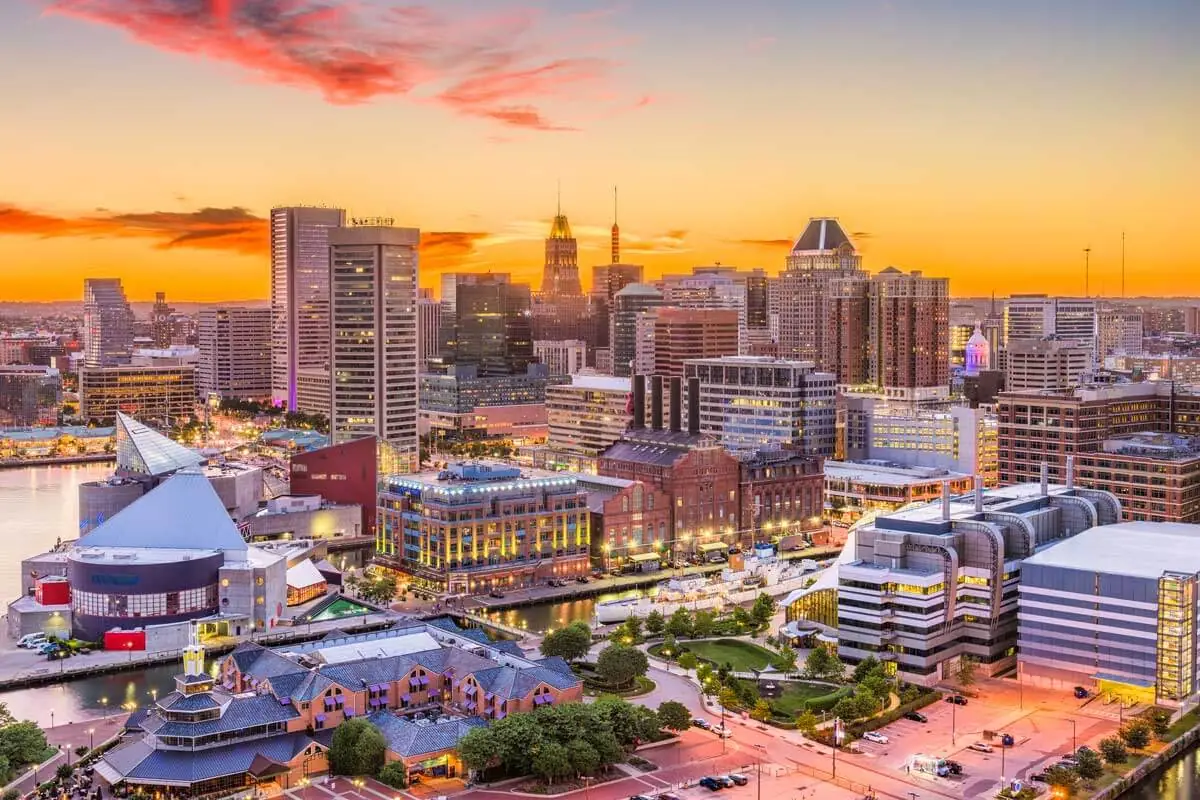
The phrase modern metropolitan lifestyle destinations usa is frequently co-opted by commercial real estate brochures and lifestyle marketing campaigns. These promotional materials reduce sophisticated urban planning, socio-economic diversity, and architectural integration to superficial photo galleries and generic walkability scores. Consequently, consumer summaries ignore structural realities like municipal deferred maintenance liabilities, transit desert fringes, and the socioeconomic displacement caused by rapid neighborhood gentrification. In professional urban analysis, evaluating modern metropolitan lifestyle destinations usa requires a focus on measurable systemic parameters. These parameters include intersection density ratios, public green space acreage per capita, and multi-modal transit connectivity indices. A common misunderstanding assumes that constructing high-end retail lifestyle centers automatically generates a vibrant, self-sustaining urban neighborhood. In reality, authentic metropolitan vibrancy requires decades of organic economic cross-pollination and flexible zoning structures.
Analyzing these operational challenges requires recognizing the tension between managed urban design and spontaneous street-level activity. An analytical planner evaluating a revitalized waterfront district in a major eastern seaport will find that excessive corporate sanitization frequently destroys the spontaneous commercial grit essential for local creative innovation. Planners relying exclusively on surface-level marketing descriptions routinely miss critical operational constraints. Furthermore, mastering the principles behind modern metropolitan lifestyle destinations usa involves assessing how municipal governments, real estate developers, and local civic organizations collaborate. This coordination establishes optimal operational baselines and long-term community resilience across diverse metropolitan topographies.
Deep Contextual Background
The historical evolution of American urban centers traces its roots to the late-nineteenth-century industrial port cities and rail hubs. Dense commercial cores concentrated labor, capital, and manufacturing into compact walking environments. Properties like the classic masonry loft districts of New York, Chicago, and Philadelphia established an early urban design vernacular characterized by mixed-use street fronts and high pedestrian foot traffic.
Throughout the mid-twentieth century, the widespread adoption of the automobile and federal highway funding triggered massive suburban expansion. Urban cores experienced significant disinvestment, population flight, and large-scale clearance projects that severed traditional neighborhood fabrics. By the late twentieth and early twenty-first centuries, a profound demographic reversal occurred. Younger generations, empty nesters, and knowledge-economy workers began returning to city centers, sparking a renaissance of urban living. Examining the domestic metropolitan landscape requires navigating a mature, highly competitive sector where urban resilience, adaptive reuse, and transit-oriented development define the baseline of exceptional municipal execution.
Conceptual Frameworks and Mental Models
Evaluating the structural maturity of elite metropolitan destinations relies on structured mental models:
-
The Collision Density Model: Measures the frequency of unplanned, high-value socioeconomic interactions between diverse urban actors.
-
The Mobility Independence Index: Evaluates how effectively a resident or visitor traverses the metropolitan core without relying on private automobile ownership.
-
The Adaptability-to-Shock Threshold: Assesses a city’s infrastructural resilience against economic downturns, extreme weather events, and demographic shifts.
-
The Mixed-Use Synergy Ratio: Quantifies the balance of residential, commercial, cultural, and recreational spaces within a defined neighborhood radius.
Key Categories or Variations
| Metropolitan District Category | Primary Architectural Profile | Core Operational Trade-Off |
| Adaptive Reuse Industrial Hubs | Repurposed 19th-century brick and timber factories transformed into mixed-use live-work zones | Delivers unmatched historic character offset by high structural seismic and fire-code retrofit costs |
| Transit-Oriented Multimodal Cores | High-density towers clustered directly over subterranean rail and bus terminals | Maximizes regional accessibility offset by heavy commuter congestion and elevated land values |
| Green-Infrastructure Waterfront Districts | Revitalized post-industrial riversides featuring ecological flood defenses and public parks | Provides superior environmental amenity offset by long-term sea-level rise and flood maintenance risks |
| Innovation and Creative Clusters | Low-rise converted commercial blocks housing technology incubators and artisan retail | Fosters high-intensity creative collisions offset by severe gentrification and displacement pressures |
| Master-Planned Urban Infill Enclaves | Contemporary mixed-use developments built on vacant or parking-heavy downtown lots | Ensures modern energy-efficient construction offset by a standardized, homogenized aesthetic |
| Historic Cultural Quarter Corridors | Preserved architectural districts blending nightlife, dining, and heritage tourism | Delivers robust cultural tourism revenue offset by chronic noise pollution and parking deficits |
When applying decision logic to these variations, urban planners and investors must align district selection with infrastructural capacity and demographic demand. Adaptive reuse hubs and historic cultural quarters suit regions prioritizing authentic architectural texture and heritage tourism. Meanwhile, transit-oriented multimodal cores and green-infrastructure waterfront districts attract institutional capital focused on long-term ecological resilience and high-density operational efficiency.
Detailed Real-World Scenarios
Executing a Municipal Transit Corridor Upgrades in a Dense Pacific Northwest Core
A regional transportation authority plans a major light-rail expansion through a historic commercial district without disrupting local retail commerce.
-
Constraint: Narrow century-old street rights-of-way limit heavy construction staging and threaten surrounding masonry foundations with vibration damage.
-
Failure Mode: Subterranean tunneling induces settlement cracks in historic brick storefronts, triggering immediate legal injunctions and merchant protests.
-
Decision Point: Mandate micro-tunneling boring technologies and establish a dedicated merchant mitigation fund prior to breaking ground.
Revitalizing a Post-Industrial Waterfront in an Eastern Seaport City
A public-private partnership undertakes the conversion of an abandoned shipping wharf into a resilient public lifestyle destination.
-
Constraint: The site lies within a high-risk coastal flood zone subject to severe nor’easter storm surges and rising sea levels.
-
Failure Mode: Standard subterranean utility installations flood during king tides, compromising electrical and communications infrastructure across the district.
-
Decision Point: Incorporate elevated sponge-park topography, deploy smart tidal gate valves, and relocate critical building electrical systems to upper-floor mechanical penthouses.
Planning, Cost, and Resource Dynamics
Executing a development or investment strategy within premier metropolitan lifestyle districts involves balancing municipal capital expenditures and infrastructure outlays against long-term tax base generation and civic vitality. The economic model requires analyzing indirect expenses—such as affordable housing linkage fees, public transit subsidies, and climate-resilient engineering—against total project expenditures.
| Economic Variable | Financial Variability | Strategic Impact on Asset Evaluation |
| Multi-Modal Transit Infrastructure Integration | High Capital Outlay | Enhances long-term property values and reduces dependency on private parking structures |
| Climate Resilience and Flood Mitigation Engineering | Fixed Capital Overhead | Protects coastal and riverside urban assets against extreme weather asset loss |
| Affordable Housing Inclusionary Zoning Compliance | Variable Operating Burden | Balances socio-economic diversity against private developer yield expectations |
| Public Space Maintenance and Sanitation Districts | Ongoing Municipal Expense | Maintains high aesthetic standards and safety across high-foot-traffic retail corridors |
Tools, Strategies, and Support Systems
-
Geographic Information Systems (GIS) Spatial Mapping: Advanced software modeling pedestrian foot traffic, transit latency, and zoning overlays.
-
Real-Time Urban Air Quality and Noise Sensors: IoT arrays monitoring particulate matter and decibel levels across high-density corridors.
-
Municipal Public-Private Partnership Frameworks: Legal structures coordinating joint investment between city governments and private real estate syndicates.
-
Participatory Urban Planning Digital Platforms: Citizen engagement tools capturing resident feedback for neighborhood design adjustments.
-
Micro-Mobility Fleet Management Networks: Integrated municipal docking stations and data systems regulating shared bicycles and scooters.
Risk Landscape and Failure Modes
The primary operational hazard inherent in modern metropolitan development involves underestimating macroeconomic displacement and structural gentrification pressures. Planners frequently assume that injecting high-end retail and luxury residential towers into historically working-class neighborhoods will generate harmonious mixed-income communities. When rapid property tax escalations occur, traditional local businesses and long-term residents are displaced, eroding the authentic cultural capital that initially attracted investment.
Another compounding risk relates to municipal fiscal health and deferred infrastructure maintenance. Many urban centers rely heavily on commercial property tax revenues. Economic downturns or shifts toward remote work models can reduce downtown commercial property valuations, straining municipal budgets and resulting in degraded public transit, sanitation, and park maintenance.
Governance, Maintenance, and Long-Term Adaptation
Sustaining operational excellence across complex metropolitan lifestyle destinations requires a disciplined multi-stakeholder governance framework. City planning departments, business improvement districts (BIDs), and neighborhood associations must institute regular environmental and economic audits, verifying that public infrastructure, waste management systems, and transit links operate efficiently. If a district experiences declining retail occupancy or deteriorating public safety metrics, urban managers must initiate targeted revitalization protocols.
Furthermore, risk governance must adapt to shifting climate realities, technological disruptions, and evolving demographic preferences. Maintaining ongoing dialogues with urban climatologists, transportation engineers, and sociologists ensures that metropolitan districts invest in adaptable, future-proof infrastructure. Proactive governance protects municipal capital and guarantees long-term livability across all urban deployments.
Measurement, Tracking, and Evaluation
-
Pedestrian Foot Traffic Density and Retention: Measures daily pedestrian volumes and average dwell times within retail and public spaces.
-
Transit Modal Split Percentage: Quantifies the proportion of commuters utilizing public rail, bus, cycling, and walking versus private automobiles.
-
Commercial Retail Occupancy and Turnover Rate: Assesses the economic health and diversification of street-level storefront businesses.
-
Municipal Tree Canopy and Green Space Ratio: Evaluates the proportion of vegetated surface area mitigating urban heat island effects.
Common Misconceptions and Oversimplifications
-
Myth: Constructing high-end lifestyle retail centers automatically revitalizes a struggling post-industrial city core. Reality: Artificial lifestyle developments lacking authentic historic grit or organic economic roots often fail to sustain long-term foot traffic.
-
Myth: Eliminating private automobile parking entirely solves urban congestion and housing affordability issues. Reality: Radical parking reduction without concurrent regional transit investment creates severe accessibility bottlenecks for surrounding communities.
-
Myth: Urban density naturally correlates with high levels of social cohesion and community happiness. Reality: Unmanaged high density without adequate public parks and community spaces can lead to social isolation and sensory fatigue.
-
Myth: Historic preservation mandates are universally beneficial for downtown economic vitality. Reality: Rigid historic facade and zoning rules can inadvertently block necessary sustainability retrofits and affordable housing development.
-
Myth: Modern smart-city sensor deployments eliminate the need for traditional municipal maintenance operations. Reality: Digital telemetry only diagnoses infrastructural failures; physical maintenance crews remain essential for repairs.
-
Myth: Suburban migration trends permanently signal the death of the American metropolitan core. Reality: Cyclical demographic shifts consistently drive renewed interest in urban cultural proximity and career density.
Ethical, Practical, or Contextual Considerations
Evaluating the management and expansion of major urban lifestyle destinations intersects with critical discussions surrounding equitable housing access, racial segregation, and municipal resource allocation. As cities invest heavily in downtown waterfront parks, bike lanes, and transit-oriented corridors, ensuring that these amenities benefit all socioeconomic strata rather than accelerating displacement remains an urgent moral and practical challenge. Progressive urban planners address these equity concerns by embedding inclusionary zoning mandates, community land trusts, and localized economic development grants into every major metropolitan master plan.
Conclusion
Mastering complexities involved in identifying, evaluating, and executing urban development strategies centered on modern metropolitan lifestyle destinations usa requires an uncompromising analytical perspective. True authority involves looking past promotional marketing to examine collision density dynamics, multimodal transit resiliency, and equitable zoning compliance. Approaching exceptional metropolitan curation with professional rigor ensures domestic urban centers achieve long-term economic vitality, structural resilience, and enduring human livability.