Best Luxury Suites for Digital Nomads: Definitive Guide & Analysis
The intersection of location-independent knowledge work and high-end residential architecture has introduced an entirely new operational paradigm into the global hospitality market. Discerning remote founders, venture partners, and senior software architects now evaluate premier long-term temporary lodgings through technical connectivity matrices, ergonomic engineering standards, and acoustic isolation indices rather than mere aesthetic luxury. When identifying the best luxury suites for digital nomads, observers must navigate complex international tax residency rules, redundant fiber-optic routing protocols, and multi-zone climate management systems. Consequently, selecting premier extended-stay accommodations requires an analytical lens that balances spatial autonomy with enterprise-grade productivity infrastructure.
Furthermore, the emerging market for apex remote-work suites operates under unique structural strains, including asynchronous international meeting schedules, high-bandwidth data security requirements, and the physical degradation of workspace elements during prolonged monthly occupancies. Standard leisure resort metrics routinely fail to capture the variables governing elite mobile productivity, such as UPS battery backup uptime, dedicated ergonomic chair certifications, and soundproofed acoustic partitioning for confidential client calls. Therefore, establishing a comprehensive evaluation framework for the best luxury suites for digital nomads ensures uninterrupted professional output, secure data transmission, and sustainable long-term living quality across diverse global destinations.
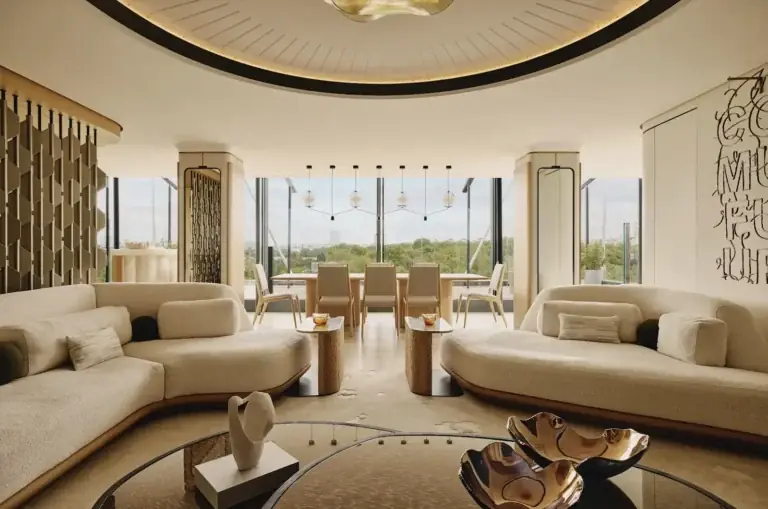
Navigating this specialized segment demands an uncompromising editorial perspective. Whether securing a glass-walled penthouse overlooking a Southeast Asian archipelago, a converted historic loft in a Western European capital, or a tech-enabled desert pavilion in the American Southwest, mastering the operational nuances of executive remote living safeguards against connectivity failures and ergonomic fatigue. Ultimately, this comprehensive guide delivers an objective examination of the conceptual frameworks, error taxonomies, and strategic methodologies required to govern digital nomad luxury portfolios with absolute precision.
Understanding “best luxury suites for digital nomads”
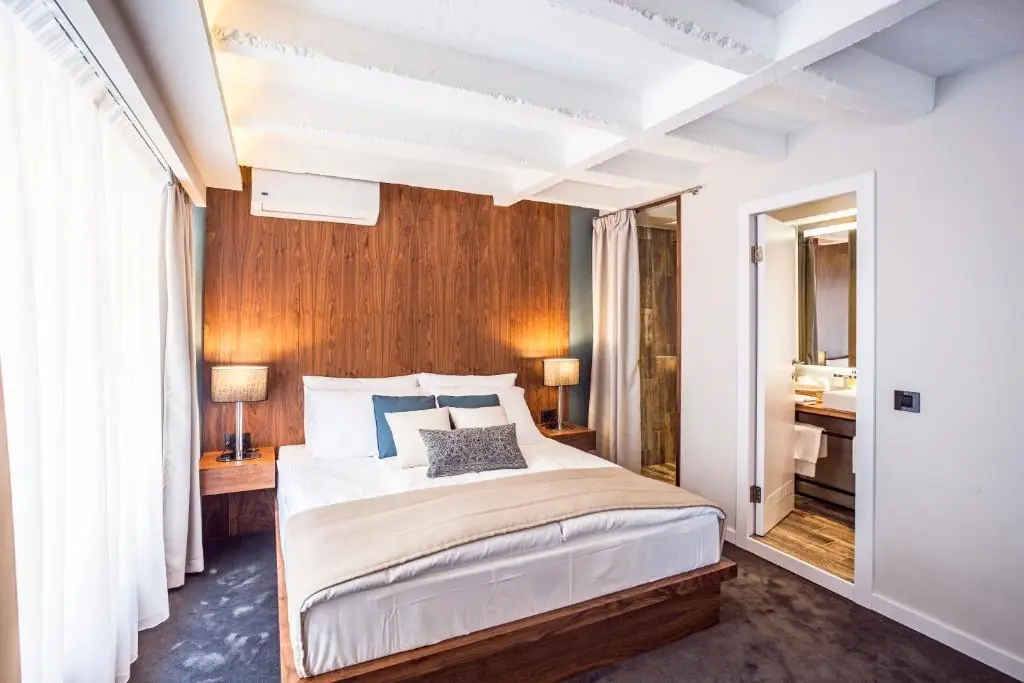
The phrase best luxury suites for digital nomads is frequently co-opted by generalized travel marketing brochures and influencer-driven lifestyle blogs. These promotional materials reduce sophisticated remote work infrastructure to superficial photo galleries featuring a laptop resting on a sun-drenched outdoor lounge chair. Consequently, consumer summaries ignore critical operational realities like high-latency satellite links, glaring outdoor screen reflections, unergonomic dining chairs that induce repetitive strain injuries, and absent power backup grids. In professional asset management, evaluating the best luxury suites for digital nomads requires a focus on measurable technical parameters. These parameters include synchronous multi-gigabit fiber-optic throughput, dedicated static
Analyzing these operational challenges requires recognizing the tension between opulent leisure aesthetics and rigorous cognitive output performance. An analytical asset manager evaluating an upscale beachfront villa will find that open-plan stone-and-glass architecture reflects audio aggressively, creating severe echo during high-stakes remote pitches. Planners relying exclusively on surface-level marketing descriptions routinely miss critical infrastructure constraints. Furthermore, mastering the principles behind the best luxury suites for digital nomads involves assessing how hospitality architects, network engineers, and estate operators collaborate to retrofit high-end environments for professional digital workflows. This coordination establishes optimal operational baselines across diverse international jurisdictions.
Deep Contextual Background
The historical evolution of remote workspace design traces its origins to the late-twentieth-century executive corporate housing sector and early serviced apartments in major financial capitals. Corporate assignees and traveling consultants required interim living spaces equipped with rudimentary multi-line telephone connections, fax machines, and small executive writing desks. These properties prioritized central urban locations near commercial stock exchanges and legal districts, utilizing heavy mahogany furnishings and traditional wired telecommunications infrastructure.
Throughout the early twenty-first century, the proliferation of cloud computing, high-speed wireless networks, and distributed software engineering teams fundamentally decentralized the knowledge workforce. Professionals were no longer tethered to fixed regional corporate offices. By the mid-2020s, the maturation of global nomad visas, combined with an exponential rise in remote executive leadership, drove demand for sophisticated extended-stay options that bridged the gap between five-star hospitality and permanent home-office functionality. Examining this modern sector requires navigating a highly competitive global market where specialized independent operators and boutique hospitality brands define the baseline of exceptional remote-work execution.
Conceptual Frameworks and Mental Models
Evaluating the operational maturity of elite remote-work suites relies on structured mental models:
-
The Network Redundancy and Latency Quotient: Measures primary fiber throughput against secondary cellular failover stability and round-trip ping times to major cloud servers.
-
The Ergonomic Biomechanical Index: Evaluates the adjustability range of seating, monitor placement height, and peripheral desk hardware to prevent cumulative physical strain during twelve-hour work sessions.
-
The Acoustic Isolation Gradient: Assesses decibel attenuation between active working zones and communal domestic spaces to ensure absolute confidentiality during calls.
-
The Micro-Climate Power Resiliency Model: Quantifies local municipal grid stability and the capacity of on-site battery and generator systems to maintain continuous workflow during blackouts.
Key Categories or Variations
| Remote-Work Suite Category | Primary Architectural Profile | Core Operational Trade-Off |
| High-Rise Urban Tech Penthouses | Glass-walled vertical towers located in major international financial hubs | Delivers ultra-fast fiber and transit connectivity offset by high urban noise and restricted natural airflow |
| Boutique Heritage Loft Conversions | Restored industrial brick and timber spaces featuring soaring ceiling heights | Provides expansive creative volume offset by difficult low-frequency acoustic echo management |
| Isolated Eco-Luxury Wellness Villas | Low-rise timber and stone pavilions nestled within coastal or tropical landscapes | Maximizes peace and visual inspiration offset by vulnerable rural power grids and satellite latency |
| Serviced Executive Aparthotels | Professionally managed multi-room suites with integrated business center facilities | Ensures predictable concierge support and maintenance offset by corporate aesthetic uniformity |
| Alpine Remote-Work Chalets | Heavy stone-and-timber mountain structures equipped with dedicated study rooms | Offers intense seasonal focus and crisp air offset by remote transit access during winter storms |
| Coastal Cliffside Creative Studios | Cantilevered modern concrete and glass structures positioned over marine horizons | Delivers dramatic aesthetic stimulation offset by intense solar glare and high-humidity electronics wear |
When applying decision logic to these variations, nomadic professionals must align suite selection with workflow intensity and communication demands. High-rise urban penthouses and serviced aparthotels suit executives requiring heavy data transfer speeds and immediate urban amenities. Meanwhile, isolated wellness villas and alpine chalets attract deep-work specialists, writers, and software architects prioritizing uninterrupted cognitive focus.
Detailed Real-World Scenarios
Executing a High-Stakes Engineering Sprint in an Alpine Chalet
A lead systems architect orchestrates a critical infrastructure migration for a cloud enterprise while residing in a luxury chalet in the Swiss Alps.
-
Constraint: A severe winter blizzard damages local municipal power lines, threatening an overnight regional grid blackout during the production deployment.
-
Failure Mode: Standard residential routers and local fiber nodes lose power, severing the developer’s connection to cloud database clusters and risking catastrophic deployment rollback.
-
Decision Point: Mandate properties featuring automatic propane standby generators and bonded multi-carrier 5G cellular failover routers prior to executing long-term lease agreements.
Coordinating Venture Capital Negotiations from a Coastal Island Villa
A managing partner at a venture capital firm negotiates a cross-border Series B funding round from a luxury estate in Southeast Asia.
-
Constraint: The tropical property’s open-air pavilion design allows heavy afternoon monsoon rainfall to generate overwhelming ambient white noise across open microphones.
-
Failure Mode: Ambient acoustic interference obscures critical financial terms during secure investor video conferences, undermining professional presence.
-
Decision Point: Relocate operations to a dedicated interior air-conditioned media room equipped with acoustic dampening panels and directional broadcast microphones.
Planning, Cost, and Resource Dynamics
Executing a procurement strategy for elite digital nomad accommodations involves balancing administrative overhead expenses and specialized technical outlays against the value of uninterrupted productivity. The economic model requires analyzing indirect expenses—such as enterprise-grade virtual private network subscriptions, backup hardware redundancy kits, and localized coworking day passes—against total monthly lease expenditures.
| Economic Variable | Financial Variability | Strategic Impact on Asset Evaluation |
| Dedicated Symmetric Fiber-Optic Upgrades | Fixed Installation Cost | Guarantees high upload speeds required for heavy code compilation and large media transfers |
| Enterprise Uninterruptible Power Supply (UPS) | Hardware Capital Outlay | Prevents data loss and equipment frying during sudden municipal voltage drops |
| Ergonomic Hardware Leasing and Shipping | Variable Logistics Fee | Ensures medical-grade seating and multi-monitor alignment regardless of local property inventory |
| Secure Local Legal and Tax Compliance Counsel | Professional Retainer | Navigates complex international digital nomad visa regulations and permanent establishment risks |
Tools, Strategies, and Support Systems
-
Enterprise-Grade Network Monitoring Software: Real-time diagnostic applications tracking packet loss, jitter, and bandwidth saturation.
-
Bonded Cellular Multi-SIM Routers: Portable hardware aggregating multiple carrier signals to maintain unbreakable internet connectivity in remote areas.
-
Cloud-Based Virtual Desktop Infrastructures (VDI): Secure remote machines allowing execution of heavy computing tasks independent of local hardware limitations.
-
Noise-Canceling AI Audio Filters: Software algorithms stripping background environmental sounds from outgoing microphone streams during virtual meetings.
-
Ergonomic Travel Accessories Kits: Portable laptop risers, mechanical keyboards, and external monitors designed for rapid mobile deployment.
Risk Landscape and Failure Modes
The primary operational hazard inherent in mobile executive work involves underestimating international digital infrastructure volatility. Nomads frequently assume that paying luxury rates in foreign metropolitan or rural retreats guarantees reliable telecommunications. When sudden undersea cable cuts, regional fiber outages, or rolling blackouts occur, unprepared remote professionals face severe productivity stalls.
Another compounding risk relates to data security and cybersecurity vulnerabilities on unsecured local networks. High-net-worth remote workers utilizing open hospitality Wi-Fi networks without rigorous VPN encapsulation and hardware firewalls risk intercepting sensitive proprietary code, financial ledgers, and client communications. Asset managers mitigate this by mandating isolated VLAN configurations and encrypted hardware tunnels.
Governance, Maintenance, and Long-Term Adaptation
Sustaining operational protocols across a mobile executive portfolio requires a disciplined administrative governance framework. Remote professionals and their executive assistants must institute pre-arrival technical audits, verifying exact upload speeds, router administration access rights, and power backup specifications directly with property managers. If a host property demonstrates chronic internet throttling or unverified technical claims, nomads must execute pre-arranged backup options.
Furthermore, governance must adapt to evolving international tax compliance frameworks, shifting digital nomad visa stipulations, and emerging cybersecurity standards. Maintaining ongoing dialogues with international tax legal counsel ensures that extended stays do not inadvertently trigger local corporate tax liabilities. Proactive governance protects both professional output and personal legal standing across multi-jurisdictional deployments.
Measurement, Tracking, and Evaluation
-
Synchronous Bandwidth Throughput Consistency: Measures average upload and download megabits per second against peak-hour network congestion benchmarks.
-
Ergonomic Comfort and Fatigue Index: Evaluates physical well-being and musculoskeletal strain reported during extended multi-week project cycles.
-
Unplanned Disconnection Frequency: Tracks the number of dropped video calls or server disconnects per working month.
-
Deep Work Focus Duration: Quantifies uninterrupted blocks of high-cognitive output achieved free from environmental or acoustic interruption.
Common Misconceptions and Oversimplifications
-
Myth: Any high-end luxury resort suite with advertised Wi-Fi is automatically suitable for professional remote software engineering. Reality: Luxury hospitality Wi-Fi is typically optimized for casual guest web browsing and streaming, featuring severe upload throttling and high latency.
-
Myth: Working from an exotic tropical beach pavilion enhances daily professional productivity and creative output. Reality: Extreme outdoor glare, heat, humidity, and ambient noise severely degrade long-term cognitive focus and damage sensitive electronics.
-
Myth: Standard portable laptop stands and hotel dining chairs are sufficient for full-time executive desk work. Reality: Prolonged use of non-ergonomic seating during multi-week stays routinely leads to debilitating repetitive strain injuries.
-
Myth: Digital nomad visas allow unconditional remote work from luxury rentals without local regulatory oversight. Reality: Most national nomad visas enforce strict minimum income thresholds, local tax exemptions, and mandatory health insurance validations.
-
Myth: Mobile hotspot data plans can fully replace fixed-line fiber connections for heavy enterprise data transfers. Reality: Cellular networks are subject to tower congestion, thermal throttling, and strict data caps during intensive software deployments.
-
Myth: On-site property concierges possess the technical knowledge required to troubleshoot complex VPN routing or firewall issues. Reality: Hospitality staff are trained in guest leisure services, not network systems administration or enterprise IT troubleshooting.
Ethical, Practical, or Contextual Considerations
Evaluating the proliferation of elite remote-work accommodations intersects with broader discussions surrounding housing affordability, gentrification, and economic displacement in popular global destinations. As affluent digital nomads occupy prime urban and rural inventory, local rental markets can experience severe price escalation, straining local working-class communities. Progressive remote professionals and boutique operators address these challenges by contributing to local community development funds, supporting regional conservation initiatives, and respecting local cultural and economic boundaries.
Conclusion
Mastering the complexities involved in identifying, evaluating, and securing travel portfolios centered on discovering the best luxury suites for digital nomads requires an uncompromising analytical perspective. True authority involves looking past promotional marketing imagery to examine network redundancy physics, ergonomic engineering standards, and acoustic isolation integrity. Approaching remote-work curation with professional rigor ensures that mobile executives achieve sustained productivity, absolute data security, and enduring personal well-being across any global theater.