Top Luxury Suites All Inclusive Plans: Definitive Guide & Analysis
The traditional landscape of high-end travel has undergone a structural transformation, shifting away from fragmented billing models toward highly consolidated, frictionless resort experiences. Discerning family office managers, corporate wellness directors, and private asset curators now evaluate premier elite hospitality through service ratio density, private aviation transfer integration, and culinary provenance rather than mere room square footage. When assessing the apex tier of frictionless hospitality, navigating top luxury suites all inclusive plans requires analyzing proprietary spirits inventories, butler-to-guest ratios, and the complex contractual boundaries governing resort-wide privileges. Consequently, understanding these comprehensive resort ecosystems demands an analytical lens that balances absolute financial predictability with uncompromising personal discretion.
Furthermore, the domestic and international market for apex consolidated packages operates under shifting labor cost pressures, proprietary supply chain logistics, and evolving guest expectations regarding wellness and privacy. Standard travel brochures and consumer review aggregators routinely fail to capture the structural variables that define exceptional all-inclusive execution, such as private marina access, bespoke dietary customizability, and exclusive wine cellar allocations. Therefore, establishing a rigorous framework for evaluating top luxury suites all inclusive plans ensures a comprehensive understanding of long-term value, service reliability, and asset accountability across diverse global resort destinations.
Navigating this specialized sector demands an uncompromising editorial perspective. Whether examining a clifftop overwater pavilion in the South Pacific, a private game-reserve lodge in East Africa, or a secluded alpine ski chalet in the Swiss Alps, mastering the operational nuances of consolidated luxury safeguards against hidden administrative fees and service degradation. Ultimately, this comprehensive guide delivers an objective examination of the conceptual frameworks, error taxonomies, and strategic methodologies required to analyze top-tier inclusive hospitality models with absolute precision.
Understanding “top luxury suites all inclusive plans”
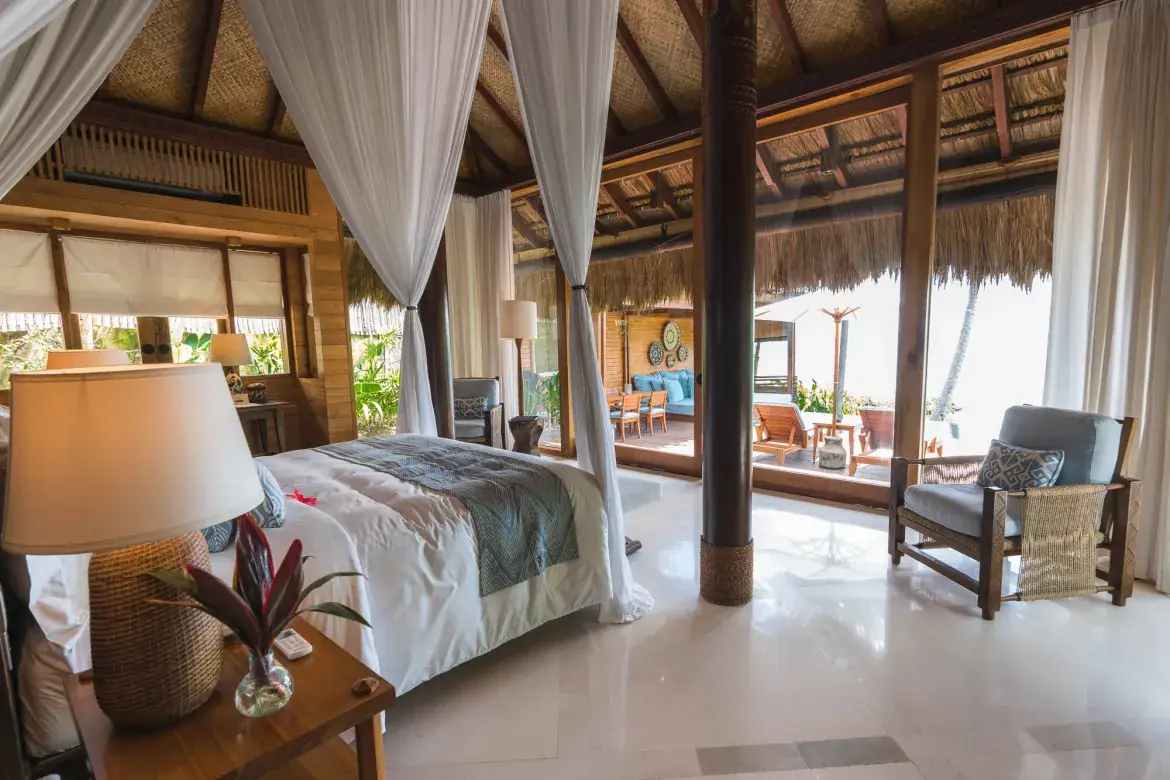
The phrase top luxury suites all inclusive plans is frequently co-opted by mass-market resort marketing departments and promotional aggregator websites. These materials reduce sophisticated hospitality operations, bespoke butler service, and private dining programs to generic stock imagery and vague promises of unlimited indulgence. Consequently, consumer summaries ignore structural realities like tiered beverage exclusions, mandatory gratuity add-ons, and restrictive booking windows for signature specialty restaurants. In professional travel asset evaluation, analyzing top luxury suites all inclusive plans requires focusing on measurable service parameters. These parameters include staff-to-guest ratios, private transfer SLAs, and the inclusion scope of rare-vintage cellar allocations. A common misunderstanding assumes that paying a single upfront nightly rate completely eliminates out-of-pocket transactional friction across every resort amenity. In reality, ultra-luxury tier properties often maintain exclusive sub-categories that require supplemental fees for rare spa treatments or private yacht charters.
Analyzing these operational challenges requires recognizing the tension between standardized resort bundling and personalized guest autonomy. An analytical manager evaluating a secluded Caribbean compound will find that rigid all-inclusive dining schedules can conflict with unpredictable executive meeting timelines or private family itineraries. Planners relying exclusively on surface-level marketing descriptions routinely miss critical operational fine print. Furthermore, mastering the principles behind top luxury suites all inclusive plans involves assessing how resort operators, estate managers, and culinary directors collaborate to deliver seamless, un-metered hospitality without sacrificing quality or personalization.
Deep Contextual Background
The historical evolution of all-inclusive hospitality traces its roots to mid-twentieth-century Caribbean cottage colonies and European club villages pioneered by visionary operators seeking to eliminate transactional friction for vacationers. These early iterations focused primarily on standard buffet dining, communal entertainment, and basic recreational equipment rentals within tropical beach settings.
Throughout the late twentieth century, luxury hospitality brands recognized an opportunity to elevate the bundled model for high-net-worth travelers. Properties in remote exotic locales—such as private atolls in the Maldives and secluded game lodges in South Africa—adopted the all-inclusive structure out of absolute necessity. Because these properties sat miles away from external commerce, bundling logistics, fine dining, and guided excursions became the standard operating model. Examining the modern sector requires navigating a mature, competitive global market where boutique ownership groups define the baseline of exceptional consolidated execution.
Conceptual Frameworks and Mental Models
Evaluating the structural maturity of elite inclusive hospitality relies on structured mental models:
-
The Frictionless Expenditure Ratio: Measures the percentage of total on-site experiences covered upfront versus those requiring separate billing or authorization.
-
The Staff-to-Guest Proximity Matrix: Evaluates the ratio and availability of dedicated butlers, private chefs, and security details assigned to a single suite.
-
The Culinary Provenance Index: Assesses the sourcing quality, organic certification, and international import standards of food and beverage inventories.
-
The Logistical Autonomy Threshold: Quantifies how effectively the resort manages private arrivals, departures, and off-site excursions without third-party friction.
Key Categories or Variations
| Inclusive Suite Category | Primary Architectural Profile | Core Operational Trade-Off |
| Private Island Overwater Pavilions | Stilt-supported timber and glass villas positioned over deep tropical lagoons | Delivers complete spatial isolation offset by vulnerability to maritime weather disruptions |
| Safari Reserve Conservation Lodges | Canvas-and-stone luxury tented suites integrated directly into wildlife migration routes | Provides immersive wildlife proximity offset by challenging overland supply logistics |
| Alpine Ski-In Chalet Estates | Multi-level stone and cedar mountain lodges featuring private ski-room valets | Offers immediate slope access offset by extreme seasonal weather variation and isolation |
| Historic Vineyard Manor Suites | Restored 18th-century agricultural estates surrounded by private wine-producing acreage | Ensures rich cultural heritage offset by limited coastal or tropical recreational variety |
| Desert Canyon Wellness Sanctuaries | Minimalist rammed-earth pavilions embedded within protected desert arroyos | Delivers deep therapeutic quiet offset by severe daily thermal fluctuations |
| Yacht-Docking Marina Penthouses | Waterfront concrete and glass suites featuring dedicated deep-water slip access | Maximizes maritime transit flexibility offset by elevated dockside noise and activity |
When applying decision logic to these variations, curators must align suite selection with the specific psychological and physical recovery goals of the traveler. Private island pavilions and desert sanctuaries suit guests prioritizing absolute quiet and thermal warmth. Meanwhile, alpine ski chalets and historic vineyard manors attract active travelers seeking rigorous outdoor recreation or cultural immersion.
Detailed Real-World Scenarios
Executing a Multi-Generational Family Retreat in a Private Island Pavilion
A family office principal coordinates a two-week reunion across three interconnected overwater pavilions on a private Maldivian atoll.
-
Constraint: Dietary restrictions and private schooling schedules require synchronized, round-the-clock culinary customization and tutoring spaces.
-
Failure Mode: Standard resort all-inclusive dining schedules cannot accommodate staggered children’s mealtimes and specialized organic allergy requirements.
-
Decision Point: Contract directly with the resort’s executive chef to establish a dedicated 24-hour private culinary brigade assigned exclusively to the family compound.
Managing an Executive Board Retreat in a Conservation Safari Lodge
A technology firm reserves an entire private game lodge in South Africa for an executive strategy summit.
-
Constraint: Confidential strategic documents require absolute digital security and zero unauthorized staff presence within the main conference pavilion.
-
Failure Mode: Standard resort staff rotate through conference rooms unannounced to replenish refreshments, compromising intellectual property privacy.
-
Decision Point: Establish a restricted-access protocol, assign a single dedicated butler bound by non-disclosure agreements, and deploy temporary enterprise-grade secure Wi-Fi routing.
Planning, Cost, and Resource Dynamics
Executing a procurement strategy for ultra-luxury inclusive estates involves balancing upfront premium nightly rates against the total value of un-metered amenities, private transport, and personalized services. The economic model requires analyzing indirect expenses—such as private jet landing fees, conservation taxes, and specialized guide gratuities—against total project expenditures.
| Economic Variable | Financial Variability | Strategic Impact on Asset Evaluation |
| Private Airfield Transfer Integration | Fixed Package Inclusion | Eliminates complex third-party ground and air transit coordination costs |
| Rare Cellar and Vintage Spirits Allocation | Variable Surcharge Risk | Determines whether premium beverage collections are fully covered or billed separately |
| Conservation and Environmental Surcharges | Mandatory Fixed Levy | Supports local wildlife preservation and community infrastructure development |
| Dedicated Staff Gratuity Pooling | Discretionary vs. Inclusive | Ensures consistent, high-morale service without awkward individual tipping moments |
Tools, Strategies, and Support Systems
-
Encrypted Concierge Management Applications: Secure digital platforms allowing guests to coordinate private itineraries, spa bookings, and dietary needs directly with estate managers.
-
Private Aviation Telemetry Trackers: Real-time flight tracking systems ensuring seamless tarmac transfers between international jets and resort helicopters.
-
Customized Dietary and Preference Profiles: Digital databases maintained by resort culinary teams tracking guest allergies, wine preferences, and pillow firmness.
-
Secure Satellite Communications Arrays: Redundant high-speed internet setups ensuring uninterrupted connectivity in remote safari or island locations.
-
Specialized Estate Security Frameworks: Private surveillance and access control systems protecting high-profile guests across sprawling resort properties.
Risk Landscape and Failure Modes
The primary operational hazard inherent in ultra-luxury all-inclusive travel involves unexpected service bottlenecks during peak seasonal occupancy. Resort operators frequently market their properties as exclusive sanctuaries, yet high-demand periods can strain even the most robust butler and culinary rosters, leading to delayed private dining delivery or scheduling conflicts for signature excursions.
Another compounding risk relates to geographical isolation and supply chain fragility. Properties situated on remote atolls or deep within wildlife reserves rely on complex, long-distance supply chains. When severe weather events disrupt regional air or sea freight, the resort’s ability to maintain top-tier culinary and medical provisioning can be compromised, requiring robust on-site emergency stockpiles.
Governance, Maintenance, and Long-Term Adaptation
Sustaining operational excellence across elite resort portfolios requires a disciplined multi-stakeholder governance framework. Asset owners, resort general managers, and hospitality directors must institute regular guest-experience audits and facility maintenance reviews, verifying that infrastructure, climate control systems, and water purification units operate flawlessly. If a resort demonstrates declining service metrics or deferred maintenance, asset managers must initiate operational remediation protocols.
Furthermore, risk governance must adapt to shifting environmental regulations, climate vulnerabilities, and evolving guest expectations regarding sustainability. Maintaining ongoing dialogues with environmental scientists ensures that partnered resort properties invest in renewable energy microgrids, zero-waste water recycling, and coral reef restoration. Proactive governance protects both capital investments and brand reputation across global portfolios.
Measurement, Tracking, and Evaluation
-
Service Response Latency: Measures the duration between a guest’s request via butler call and the physical execution of that request.
-
Culinary Customization Satisfaction: Assesses guest feedback regarding the flexibility and execution of bespoke dietary menus.
-
Private Transfer Synchronization Rate: Tracks the percentage of airport-to-resort arrivals occurring without logistical delay or baggage mishandling.
-
Infrastructural Uptime Percentage: Quantifies the continuous operational reliability of power, water, and internet systems within the suite.
Common Misconceptions and Oversimplifications
-
Myth: Booking an all-inclusive ultra-luxury suite means every single item on the property is entirely free of charge. Reality: Ultra-luxury tier properties often exclude ultra-rare vintage wines, private yacht charters, and third-party medical services from standard pricing.
-
Myth: Remote all-inclusive island resorts operate with the same high-speed internet reliability as major metropolitan financial centers. Reality: Island and safari locations frequently rely on high-latency satellite links that can degrade during heavy tropical rainstorms.
-
Myth: Dedicated resort butlers are available 24 hours a day without shift handovers or rest periods. Reality: Even private butler teams operate on scheduled shifts, requiring clear communication protocols for late-night assistance.
-
Myth: All-inclusive dining means guests can walk into any specialty restaurant on the property without advance reservations. Reality: High-demand signature dining venues enforce strict seating capacities and advance booking requirements regardless of inclusion tier.
-
Myth: Environmental conservation levies charged by remote eco-lodges are arbitrary marketing fees. Reality: These mandatory fees directly fund local wildlife anti-poaching patrols, community clinics, and habitat restoration.
-
Myth: Private airstrip transfers included in resort packages cover international flight customs clearance fees. Reality: International arrivals still require standard passport control and customs processing at designated ports of entry.
Ethical, Practical, or Contextual Considerations
Evaluating the proliferation of ultra-luxury all-inclusive compounds intersects with broader discussions surrounding local labor economics, indigenous land rights, and the ecological footprint of high-end tourism in fragile ecosystems. As affluent travelers occupy remote enclaves, ensuring that surrounding local communities benefit fairly through employment, education, and healthcare initiatives remains a vital moral responsibility. Progressive resort operators address these challenges by hiring predominantly local staff, funding regional clean-water projects, and partnering with indigenous land councils to preserve cultural heritage.
Conclusion
Mastering complexities involved in identifying, evaluating, and securing travel portfolios centered on discovering top luxury suites all inclusive plans requires an uncompromising analytical perspective. True authority involves looking past promotional marketing imagery to examine service ratio densities, culinary provenance, and logistical resilience. Approaching consolidated luxury curation with professional rigor ensures that discerning travelers achieve absolute operational harmony, uncompromised privacy, and enduring personal rejuvenation across any global theater.