Best Beachfront Luxury Suites in the US: Definitive Guide & Analysis
The coastal topography of American high-end hospitality features a distinct architectural evolution. Discerning travelers, family office directors, and corporate curators evaluate premier maritime properties by structural resilience rather than superficial ocean views. When identifying the best beachfront luxury suites in the us, observers must navigate complex environmental permitting laws, marine corrosion engineering, and strict littoral zoning. Consequently, selecting premier coastal real estate requires an analytical lens that balances high-tide exposure with absolute interior tranquility.
Furthermore, the domestic market for elite oceanfront accommodations operates under intense seasonal demand surges and strict property-level risk matrices. Standard hotel booking metrics fail to capture the structural variables that define top-tier coastal stays, such as saltwater filtration upkeep and structural wind-load tolerances. Therefore, establishing a rigorous framework for evaluating the best beachfront luxury suites in the us ensures long-term asset security and uninterrupted personal recovery.
Navigating this specialized segment demands an uncompromising editorial perspective. Whether securing a secluded coral-stone enclave in the Florida Keys or an elevated redwood-shielded observatory on the Pacific coast, mastering the operational nuances of maritime properties safeguards against environmental degradation and logistical failure. Ultimately, this comprehensive guide delivers an objective examination of the frameworks, error taxonomies, and strategic methodologies required to govern coastal travel portfolios with editorial precision.
Understanding “best beachfront luxury suites in the us”
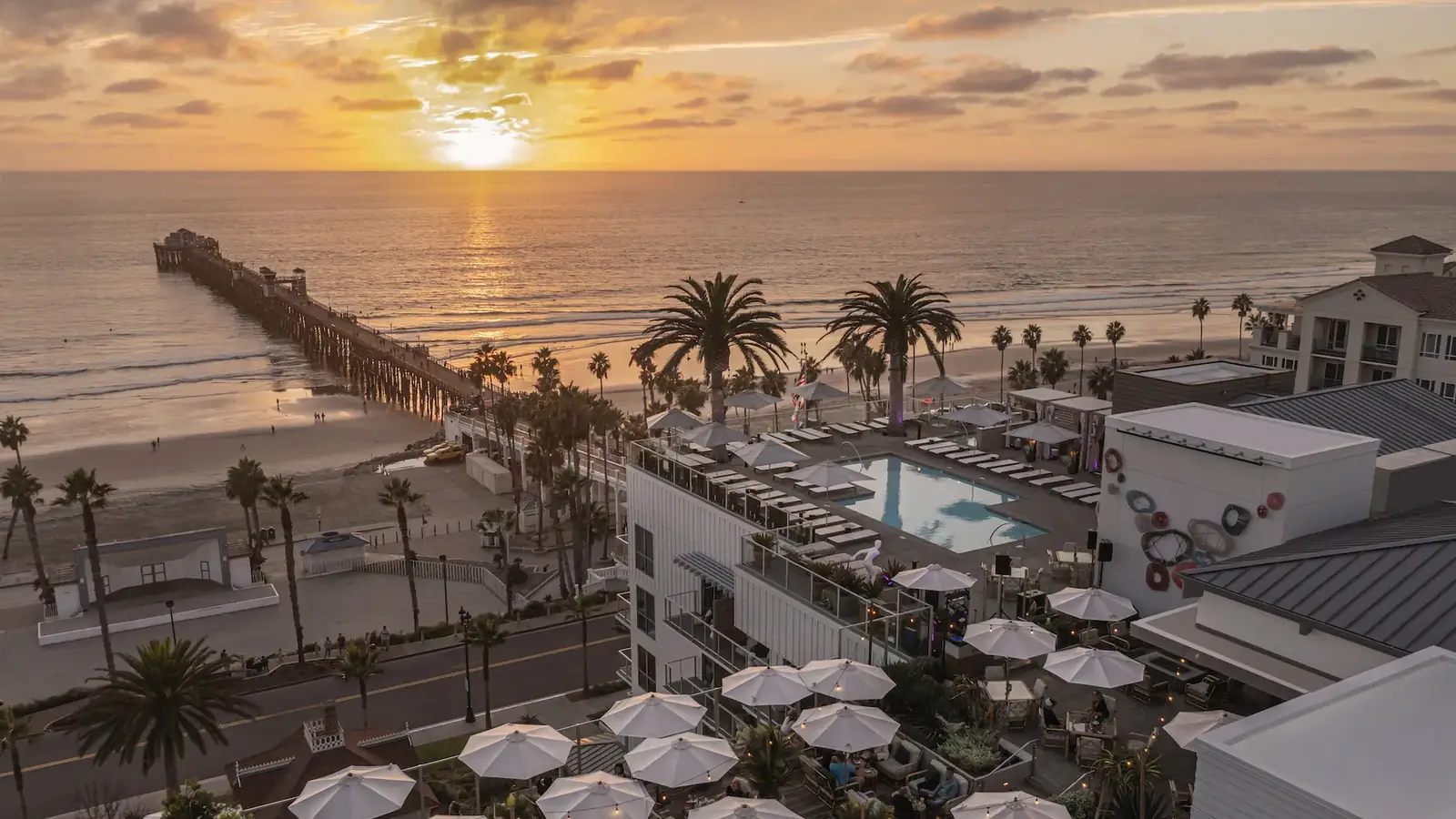
The phrase best beachfront luxury suites in the us is frequently co-opted by consumer lifestyle blogs. These platforms reduce sophisticated maritime engineering to superficial photo galleries and vague comfort ratings. Consequently, consumer summaries ignore structural realities like marine-grade salt-air corrosion, tidal storm surges, and strict coastal commission construction limits. In professional asset management, evaluating the best beachfront luxury suites in the us requires a focus on measurable architectural parameters. These parameters include hurricane-rated impact glass specifications, HVAC dehumidification capacity, and littoral setback compliance. A common misunderstanding assumes that paying premium nightly rates guarantees complete immunity from coastal elements. In reality, maritime environments introduce severe operational challenges requiring specialized property maintenance.
Analyzing these operational challenges requires recognizing the tension between open-air coastal immersion and structural weather sealing. An analytical manager evaluating an oceanfront penthouse in southern California will find that expansive floor-to-ceiling glass introduces intense solar heat gain and marine film accumulation. Planners relying exclusively on surface-level marketing descriptions routinely miss critical operational constraints. Furthermore, mastering the principles behind the best beachfront luxury suites in the us involves assessing how coastal architects and property engineers collaborate. This coordination establishes optimal operational baselines and asset longevity across diverse littoral topographies.
Deep Contextual Background
The historical evolution of American coastal hospitality traces its roots to late-nineteenth-century grand railway hotels. Wealthy industrialists sought restorative maritime climates along the Atlantic and Pacific seaboards. Properties like the historic wooden seaside compounds of New England established a distinct coastal design vernacular. These early structures prioritized shaded wrap-around verandas and elevated pile foundations to mitigate seasonal storm surges.
Throughout the mid-twentieth century, the rise of modernist concrete engineering transformed the coastline. Architects experimented with cantilevered ocean balconies, floor-to-ceiling sliding glass panels, and reinforced sea-walls. Architectural ambition introduced new operational vulnerabilities. Coastal properties struggled with aggressive salt-air corrosion, shifting dune lines, and increasingly stringent environmental protection acts. Examining the domestic coastal market requires navigating a mature, competitive sector where boutique ownership groups define the baseline of exceptional maritime execution.
Conceptual Frameworks and Mental Models
Evaluating the operational maturity of coastal luxury retreats relies on structured mental models:
-
The Marine Corrosion Resistance Index: Measures the structural durability of exterior metal fixtures and glass seals against high-salinity air.
-
The Littoral Setback and Elevation Gradient: Evaluates physical elevation above high-tide storm surge levels and coastal erosion zones.
-
The Coastal Micro-Climate Thermal Ratio: Assesses how successfully a property manages interior humidity and solar radiation through passive design.
-
The Maritime Logistical Proximity Model: Quantifies operational efficiency for fresh marine provisioning and emergency coastal evacuation routes.
Key Categories or Variations
| Coastal Sanctuary Category | Primary Architectural Profile | Core Operational Trade-Off |
| Barrier Island Coral Estates | Low-rise limestone and reinforced concrete structures directly on tropical sand spits | Delivers immediate beach access offset by high exposure to tropical storm surges |
| Pacific Cliffside Glass Observatories | Cantilevered steel and glass towers perched over high marine drop-offs | Maximizes panoramic ocean vistas offset by aggressive salt-air wind corrosion |
| New England Shingle-Style Compounds | Historic timber-frame multi-level estates situated along rocky tidal shores | Provides deep architectural charm offset by intensive wood maintenance in damp climates |
| Gulf Coast Elevated Beach Pavilions | Deep-pile timber and steel stilt structures designed to allow tidal flow underneath | Mitigates flood risk offset by challenging vertical logistics and stair access |
| Pacific Northwest Maritime Lodges | Heavy coastal cedar structures nestled within protected saltwater inlets | Ensures calm water protection offset by persistent moisture and heavy winter precipitation |
| Desert Coast Arid Villas | Minimalist concrete retreats where arid desert dunes meet open ocean waters | Offers unique topological contrast offset by extreme daily thermal fluctuations |
When applying decision logic to these variations, curators must align suite selection with environmental resilience and privacy requirements. Barrier island estates and cliffside observatories suit travelers seeking dramatic visual immersion. Meanwhile, New England shingle compounds and Pacific Northwest lodges attract family groups prioritizing classic architectural permanence.
Detailed Real-World Scenarios
Executing a Secure Executive Residency in a Pacific Cliffside Observatory
A technology venture principal requires a two-week quiet writing residency in a cliffside glass suite in Big Sur.
-
Constraint: The property sits directly on an exposed marine cliff edge subject to severe winter storm winds and salt spray.
-
Failure Mode: High-velocity winds create low-frequency harmonic vibrations in the glass panels, disrupting concentration and sleep.
-
Decision Point: Mandate laminated acoustic impact glass upgrades and verify the operational status of automated wind-retractable exterior shades.
Coordinating a Private Diplomatic Gathering in a Barrier Island Estate
A family office curator manages an international delegation staying within a sprawling beachfront estate in the Florida Keys.
-
Constraint: A late-season tropical depression forms in the Caribbean, threatening local landfall during the summit.
-
Failure Mode: Standard coastal evacuation routes flood, leaving delegation members stranded without emergency power redundancy.
-
Decision Point: Contract directly with the property operator to verify commercial-grade diesel generator capacity and stored freshwater reserves.
Planning, Cost, and Resource Dynamics
Executing a procurement strategy for beachfront sanctuaries involves balancing administrative oversight expenses and specialized marine engineering outlays against the value of oceanfront privacy. The economic model requires analyzing indirect expenses—such as specialized glass washing, high-wind insurance premiums, and corrosion mitigation maintenance—against total project expenditures.
| Economic Variable | Financial Variability | Strategic Impact on Asset Evaluation |
| Marine-Grade Corrosion Upgrades | High Capital Outlay | Prevents premature hardware failure caused by high-salinity maritime air |
| Flood and Windstorm Insurance Underwriting | Variable Premium Cost | Transfers catastrophic coastal storm surge risk to institutional underwriters |
| Specialized Exterior Glass Maintenance | Dedicated Operating Expense | Ensures clear visibility despite continuous salt spray and ocean mist accumulation |
| Coastal Engineering and Environmental Counsel | Variable Professional Fee | Navigates complex state littoral commission and zoning regulations |
Tools, Strategies, and Support Systems
-
Real-Time Coastal Weather and Tide Trackers: Specialized diagnostic tools monitoring marine storm surges and wind velocities.
-
Encrypted Maritime Concierge Networks: Direct communication channels with local harbor masters, private boat charters, and coastal pilots.
-
Automated Hurricane and Storm Shutter Systems: Hydraulic and motorized panels securing expansive glass facades against high-velocity debris.
-
Specialized Coastal Legal Counsel: Legal professionals drafting littoral lease agreements and environmental compliance documentation.
-
Industrial Marine Dehumidification Arrays: Continuous climate control systems preventing indoor mold and structural moisture damage.
Risk Landscape and Failure Modes
The primary operational hazard inherent in beachfront sanctuary travel involves underestimating coastal environmental volatility. Planners frequently assume premier properties operate with absolute immunity to shifting dune lines, beach erosion, and rapid storm intensification. When unexpected nor’easters or tropical systems occur, sudden utility and access road failures can compromise the entire stay.
Another compounding risk relates to stringent environmental regulations. Many exceptional coastal properties sit within protected marine zones where state commissions prohibit shoreline armoring, seawall construction, or emergency sand replenishment. Violating these conservation mandates results in immediate fines, legal disputes, and operational disruption.
Governance, Maintenance, and Long-Term Adaptation
Sustaining operational protocols across coastal travel portfolios requires a disciplined administrative governance framework. Family offices and corporate travel teams must institute pre-arrival marine audits, verifying that impact glass seals, emergency generators, and drainage systems operate efficiently. If a property manager demonstrates inadequate maintenance of corrosive exterior elements, asset managers must initiate replacement protocols.
Furthermore, risk governance must adapt to shifting sea-level projections, tidal patterns, and regional weather extremes. Maintaining ongoing dialogues with coastal geologists ensures that partnered property networks invest in resilient maritime infrastructure. Proactive governance protects capital and guarantees operational excellence across all coastal deployments.
Measurement, Tracking, and Evaluation
-
Exterior Marine Corrosion Rate: Measures degradation levels on stainless steel fixtures and window frames exposed to salt air.
-
Indoor Relative Humidity Index: Assesses the efficiency of industrial dehumidification systems in maintaining stable moisture levels.
-
Storm Surge and Elevation Safety Margin: Quantifies the physical vertical distance between high-tide benchmarks and property floor levels.
-
Emergency Power Transfer Speed: Evaluates the duration required for backup marine generators to engage during grid failure.
Common Misconceptions and Oversimplifications
-
Myth: Booking a luxury beachfront suite guarantees complete protection from rising tides and coastal erosion. Reality: Shifting littoral dynamics and extreme storm events can temporarily isolate coastal properties regardless of build quality.
-
Myth: Standard hotel glass specifications are sufficient for oceanfront high-rise suites. Reality: Coastal suites require heavy-duty laminated impact glass engineered to withstand high-velocity wind-borne debris and salt-water pressure.
-
Myth: Standard hotel cancellation policies apply equally to remote coastal architectural retreats. Reality: Independent coastal operators enforce customized, non-negotiable contract terms and strict hurricane-season deposit schedules.
-
Myth: Private boat and yacht transfers to beachfront suites can be coordinated spontaneously without harbor permits. Reality: Coastal zones enforce strict navigation channels, tidal draft limits, and dockage regulations.
-
Myth: Beachfront architectural retreats require zero specialized preparation regarding sun and wind exposure. Reality: Open ocean environments demand precise pre-planning for high UV radiation and extreme micro-climate winds.
-
Myth: On-site culinary teams operate with independent food supply chains isolated from coastal weather. Reality: Coastal kitchen deliveries remain vulnerable to bridge closures, coastal flooding, and highway washouts.
Ethical, Practical, or Contextual Considerations
Evaluating management of rare coastal properties intersects with broader discussions surrounding public beach access, marine ecosystem preservation, and the environmental impact of shoreline development. As principals utilize fragile dune and cliffside environments for private retreats, ensuring local marine habitats are respected remains critical. Progressive travel curators address these challenges by partnering with properties investing in beach dune restoration, utilizing eco-friendly wastewater systems, and contributing directly to regional marine conservation trusts.
Conclusion
Mastering complexities involved in identifying, evaluating, and executing travel portfolios centered on finding the best beachfront luxury suites in the us requires an uncompromising analytical perspective. True authority involves looking past consumer aesthetic marketing to examine marine corrosion physics, storm surge mitigation, and coastal zoning compliance. Approaching exceptional maritime curation with professional rigor ensures deployments achieve operational resilience and long-term value.